


Jinan University Holds Special Training on AI Empowerment for Graduate Supervisors
Publisher: Graduate School
Author: Ren Rui, Kou Ying, Sha Yingchao
Editor: Chen Guoqiong
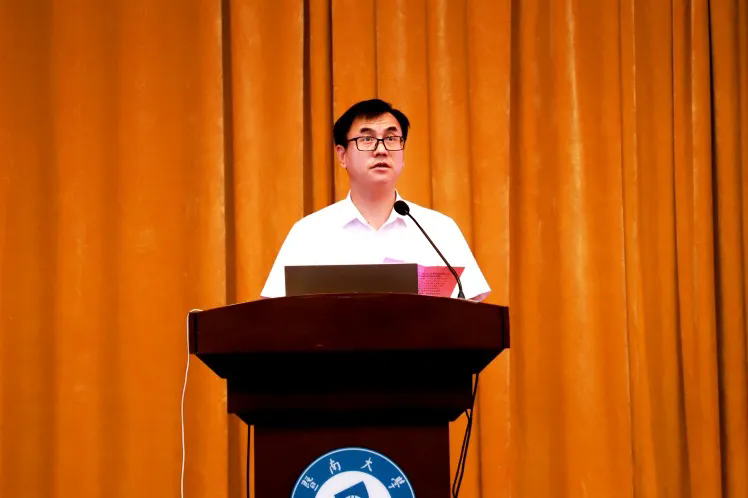
GUANGZHOU – The "Special Training on AI Empowerment for Enhancing Graduate Supervisors' Digital and Intelligent Competencies" was held at the Zeng Xianzi Science Museum of Jinan University on October 16. The session was chaired by Ma Min, Executive Dean of the Graduate School, with Vice President Gu Naihua in attendance and delivering opening remarks.
In his address, Vice President Gu Naihua emphasized that building a high-caliber supervisor team remains a central task for the University, especially as artificial intelligence continues to reshape teaching and research methodologies. He offered three points of guidance to the supervisors present: first, to actively explore and master the application of AI in scenarios such as personalized instruction, academic assessment, and research analysis, thereby fostering deeper integration between technology and academic work; second, while utilizing AI in teaching, to stay focused on cultivating students' creativity, critical thinking, and value judgment, ensuring that technological tools serve the fundamental mission of education; third, to apply insights from the training to discipline-specific research practices—such as literature review, experimental design, and data processing—to enhance both teaching effectiveness and research productivity.
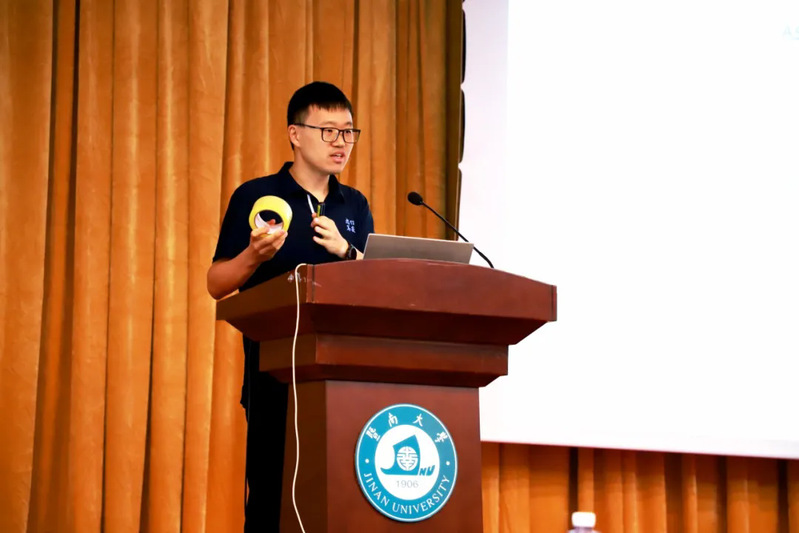
The training featured keynote presentations by three experts. Liu Zitao, Dean of the Guangdong Institute of Smart Education at Jinan University, spoke on "Supervisor Capacity Building in the Age of Intelligent Education." He noted that learning to interact effectively with AI is essential in the era of general-purpose artificial intelligence. Dean Liu reviewed current AI applications in areas including courseware generation, language training, academic literature analysis, and structured knowledge acquisition, highlighting the potential of intelligent tools to significantly improve efficiency in teaching and research.
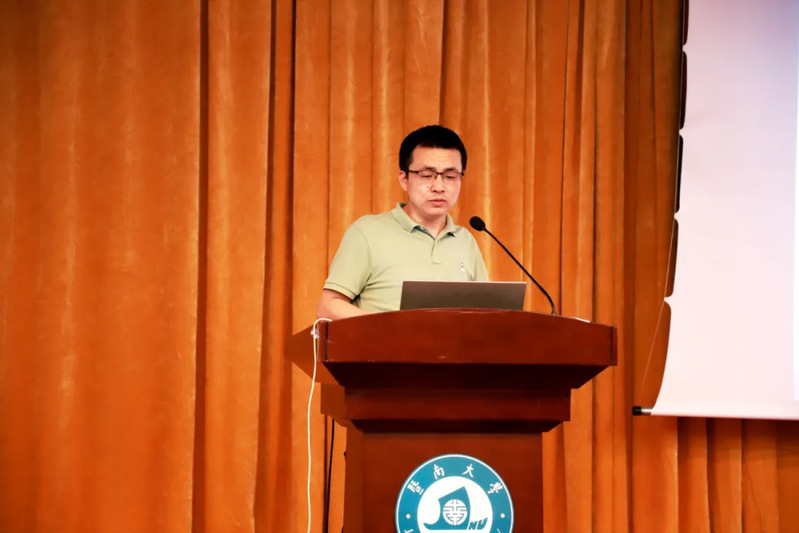
Hu Xiaoyong, Director of the Teacher Development Center and Executive Vice Dean of the Institute of Educational Artificial Intelligence at South China Normal University, delivered a talk titled "AI-Empowered Graduate Education and Supervisor Development in the New Era." He analyzed how AI, particularly large language models, is transforming the educational landscape from a traditional teacher-student dynamic into a tripartite synergy of "teacher-student-machine." Director Hu stressed the need for educators to evolve from knowledge transmitters into learning guides, thinking facilitators, and growth mentors, all while guarding against over-reliance on technology. He reiterated that the core mission of education is to nurture innovative talents with strong critical thinking, creativity, and humanistic awareness. For graduate supervisors, he added, this entails guiding students in establishing sound values and research directions while continuously advancing their own digital literacy.
Gao Ziting, Project Manager of the Graduate Education and Research Product Team at Tongfang CNKI, shared insights on "Digital Intelligence Empowering Graduate Training Quality: Explorations and Practices of CNKI's Research Learning Platform." She introduced how CNKI employs digital and intelligent technologies to build a supportive ecosystem covering the entire "student-supervisor-administration" chain in graduate education.
Participating supervisors agreed that AI is driving a shift in graduate education from knowledge transmission to capacity building. They gained a deeper understanding of the need to transition from being "knowledge authorities" to "wisdom navigators" in the AI era—a change considered crucial for addressing modern educational challenges and deepening the integration of AI with graduate training.
Looking ahead, Jinan University will align with national strategic goals and adhere to a "digital empowerment and intelligent innovation" approach. The University plans to explore new paradigms for graduate education in the intelligent age by refining AI literacy programs, strengthening supervisor development, and establishing innovative practice platforms. These efforts aim to comprehensively enhance the digital competencies of both faculty and students, leveraging intelligent technology to drive academic innovation and empower talent development.
(Image: Zhang Fangming)
NEWS
- About the University
- Quick Links

Copyright © 2016 Jinan University. All Rights Reserved.